In the Spirit of the Gracious and Compassionate
Creator of the Heavens and the Earth
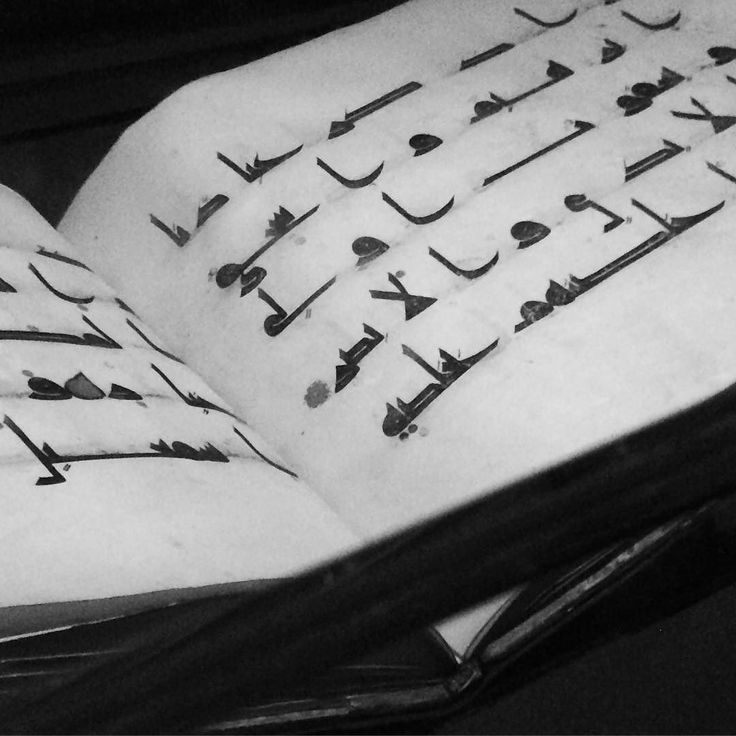
Music is not forbidden by the Qur’an. I have read the entire Qur’an many times. It’s not there. I read a small book claiming that the Qur’an forbids music. The ayah quoted in the book (Qur’an 31:6) is not about music. It can be understood to criticize people who use entertaining lyrics to turn people away from Allah. Other than that, the book interprets words and actions of the Prophet as disapproval of music. But nothing else from the Qur’an.
Oddly enough, the word “music” comes from the word “muse”, which refers to a being that we call an angel. (We use the ancient Greek word “angellos” meaning “messenger”, while the ancient Greeks used the word equally ancient to them, which they learned from the pyramid-builders, “muse”.) It was Gabriel — a muse/angel — who brought the Qur’an to Muhammad. So, in addition to being literally “of the muse” — i.e., “music” — the Qur’an is musical, consisting of sounds, rhythms, rhymes, riffs, refrains, variations on themes, and a large-scale “symphonic” structure.
Moreover, it is possible that many of the early plainchants (dating from the eighth century and later) which formed to basis for the music of the Christian church were derived from or based on the chanting of the Qur’an (which started in the seventh century). It is known that the words assigned to the chants are not the original words.
Through a long process of evolution, which included many Muslim and African contributions (the chaconne, for example, the rhythm of which is found in the Qur’an as well as, in simplified form, in the music of Bach, Beethoven, Brahms, and others), plainchant eventually became modern European classical music. J.S. Bach himself appropriated plainchant melodies for the chorale tunes that he harmonized and elaborated for his organ works and cantatas.
Which is to say, European classical music is closer to the Qur’an than the Taliban realize.
Originally written October 6, 2021.
 Which Way Is Up?